
Why Furniture Showrooms Prefer Prop TV Over Functional Televisions
Why Furniture Showrooms Prefer Prop TV Over Functional Televisions
In today’s furniture showrooms and staged interiors, visual storytelling has become more important than ever. Customers are no longer just buying sofas, tables, or cabinets — they are buying a lifestyle, a sense of scale, and a believable living environment.
As a result, many furniture brands, interior designers, and real estate developers are rethinking one detail that used to be taken for granted: the television on the wall.
Instead of using functional TV, a growing number of professionals now prefer Prop TV as a smarter, safer, and more consistent solution for showroom display.
The Hidden Problems of Using Real TV in Showrooms
At first glance, using a real television in a showroom may seem logical. However, in professional display environments, functional TVs often introduce unexpected challenges.
When powered off, real TV screens turn black, immediately breaking the visual harmony of a staged living space. Reflections, fingerprints, and inconsistent brightness further distract from the furniture being presented.
Power cables, control devices, and sockets complicate installation and limit layout flexibility. Over time, heat generation, software updates, and hardware failures increase maintenance costs — without adding any real value to the presentation.
For long-term showroom setups, these issues quickly outweigh the benefits of using a functional device.
What Is a Prop TV and Why It Solves These Issues
A Prop TV is a non-functional, display-only television designed specifically for professional staging environments. It replicates the proportions, materials, and surface details of modern TVs, while removing all electronic components.
Without screens, circuits, or operating systems, a Prop TV remains visually consistent at all times. There are no black screens, no power requirements, and no operational risks.
Props TVs are widely used in professional showroom environments as a reliable alternative to functional televisions.
For a complete overview of how Props TVs are used across different industries, see our Props TV for Showrooms guide.
Visual Consistency as a Design Priority
In showroom design, consistency is critical. Furniture collections are carefully styled to create balance, proportion, and flow. A powered-off television disrupts that balance instantly.
Props TVs allow designers to maintain a clean, neutral visual surface that supports the overall composition rather than competing with it. The result is a more controlled and intentional presentation that helps customers focus on the furniture itself.
This level of consistency is especially valuable in multi-location showrooms, where brands aim to standardize display quality across different cities or markets.
How Furniture Brands and Designers Use Prop TVs in Practice
Furniture showrooms commonly use Props TVs to complete living room compositions, ensuring realistic scale without technical complexity.
Interior designers and home stagers rely on Props TVs to control proportions and avoid unnecessary distractions in styled spaces.
In real estate model homes, Props TVs help buyers imagine everyday living scenarios while eliminating safety concerns associated with electrical devices.
Exhibitions and trade shows benefit from Props TVs because they remain visually stable throughout long event hours, regardless of lighting conditions or power availability.
Across all these scenarios, the goal is the same: create believable spaces with minimal risk and maximum visual clarity.
When a Prop TV Is the Better Choice
A Props TV is the preferred solution when:
-
The display environment requires long-term visual consistency
-
Power access is limited or undesirable
-
Safety and low maintenance are priorities
-
The focus should remain on furniture, not electronics
-
Multiple displays need to look identical across locations
In these situations, functional televisions add complexity without improving the customer experience.
Designing for Trust, Not Technology
Modern showroom design is no longer about showcasing technology. It is about building trust through clarity, realism, and attention to detail.
By choosing Props TVs over functional televisions, furniture brands and designers gain full control over their visual narrative — presenting spaces that feel complete, intentional, and professionally staged.
In a competitive market, these subtle decisions often make the difference between a display that is merely seen and one that truly connects with customers.
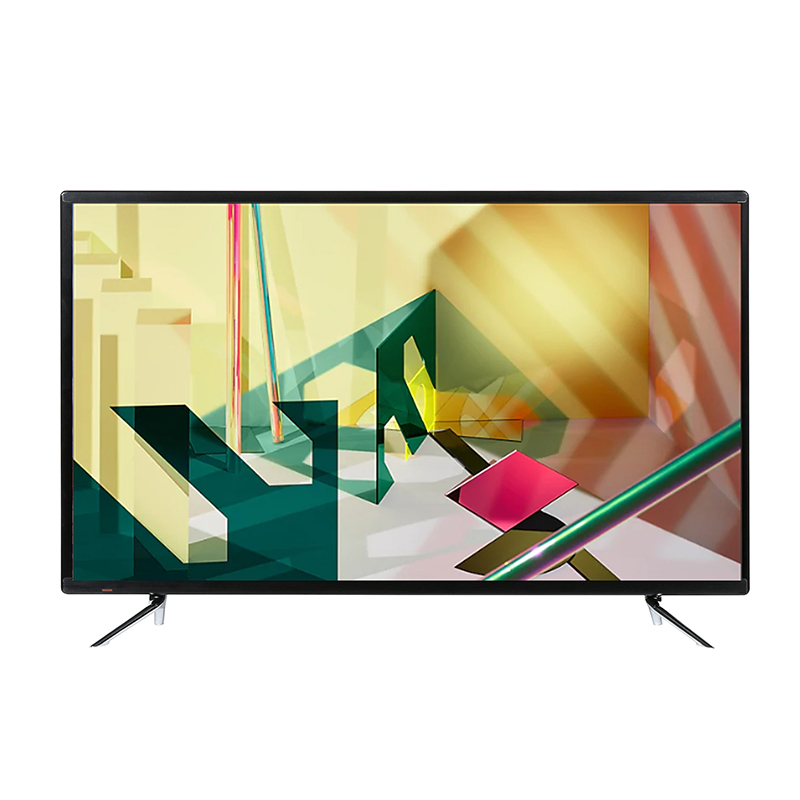 Fake TV for Staging: 42 vs 50 vs 55 vs 60 vs 70 (Which Size Looks Right?)
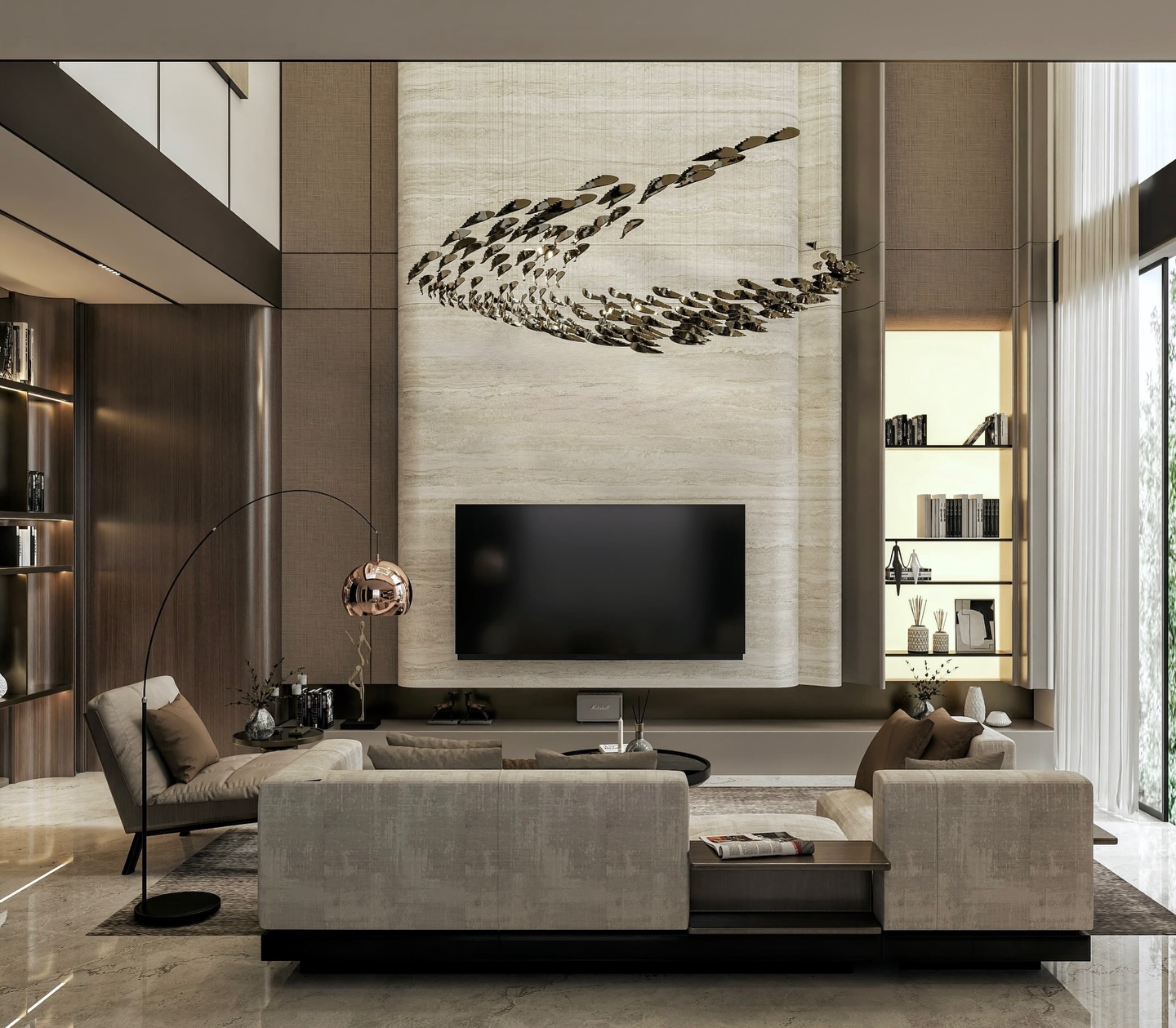 Why UK Showroom Projects Often Fail at the Packaging Stage
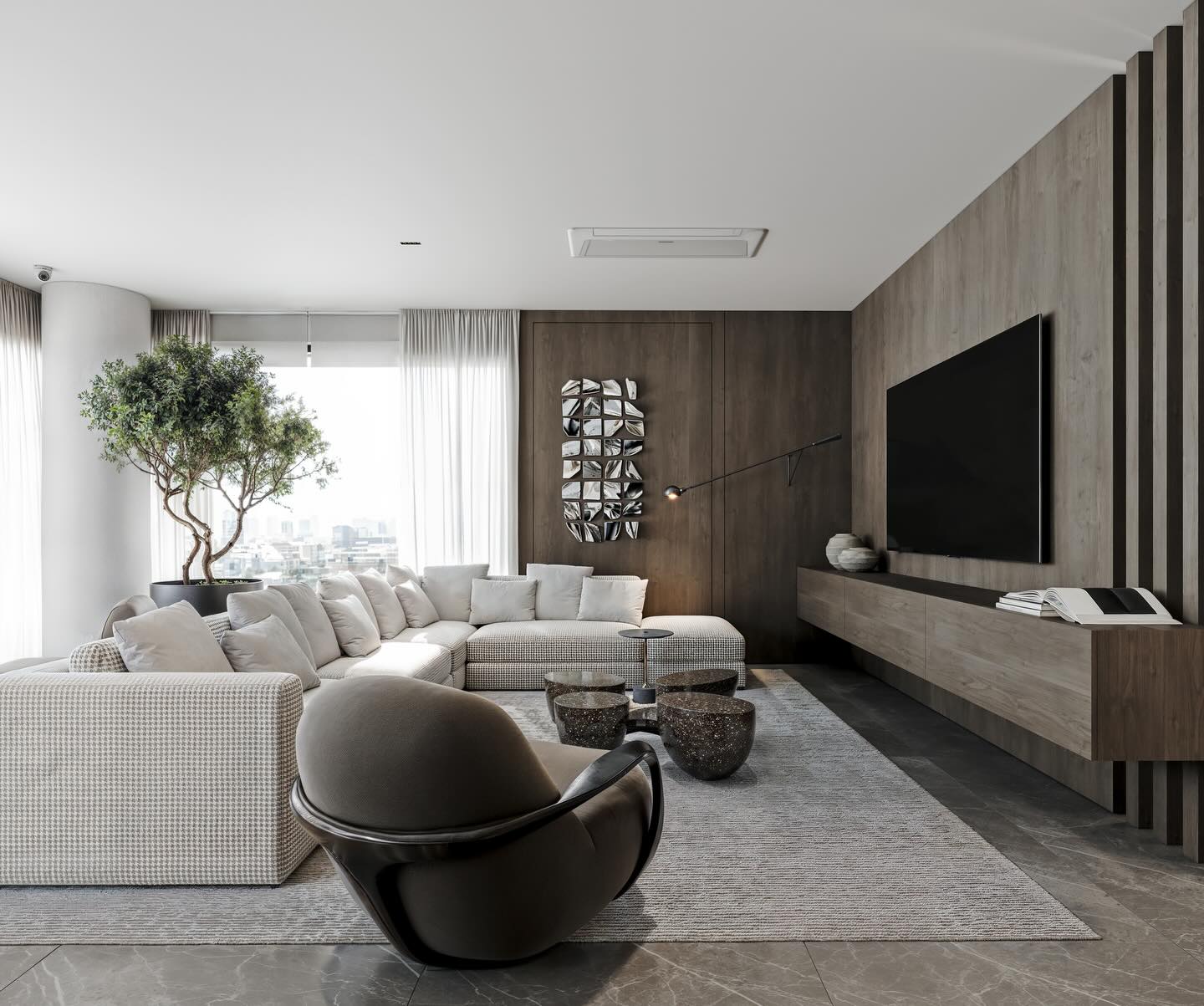 Why Display Consistency Breaks First in Multi-Store US Showroom
 The Power of Silence in Design | Why Display-Only Screens Define Professional Staging